
HIGHWAY 27 – THE SECOND DIVISION OF EUROPEAN PLAYERS WHO RULED IN THE 1700s
The Polish and the Swedes, as well as the Danish, were not dead; they just weren’t the leaders of their continent. They were still living in their Pharisee order of organized religion and king up in the Scandinavia region and in Poland. The Scandinavians were Protestant, and the Polish were trying to remain good-behaving Catholics. But ambition ran wild, and everyone wanted what his or her neighbor had. The neighborhood had armies looking for a fight to call their reason to be. The reason to steal so the community could do what? Think about that, do what?
So war was the game to be played in these lands. The local warring parties beat each other up and thus created a collateral advantage for the Russians to get it together and seize other lands to become a player as the eastern bookend of Europe and a European continental power.
Here are the warring magical music chairs of the armies and merchants of death played in central Europe by different nations trying to become the local guerrilla. For simplicity, I will just review the situation that went on in a timeline.
1706: Augustus of Poland renounced his throne in favor of King Stanislas I of Sweden.
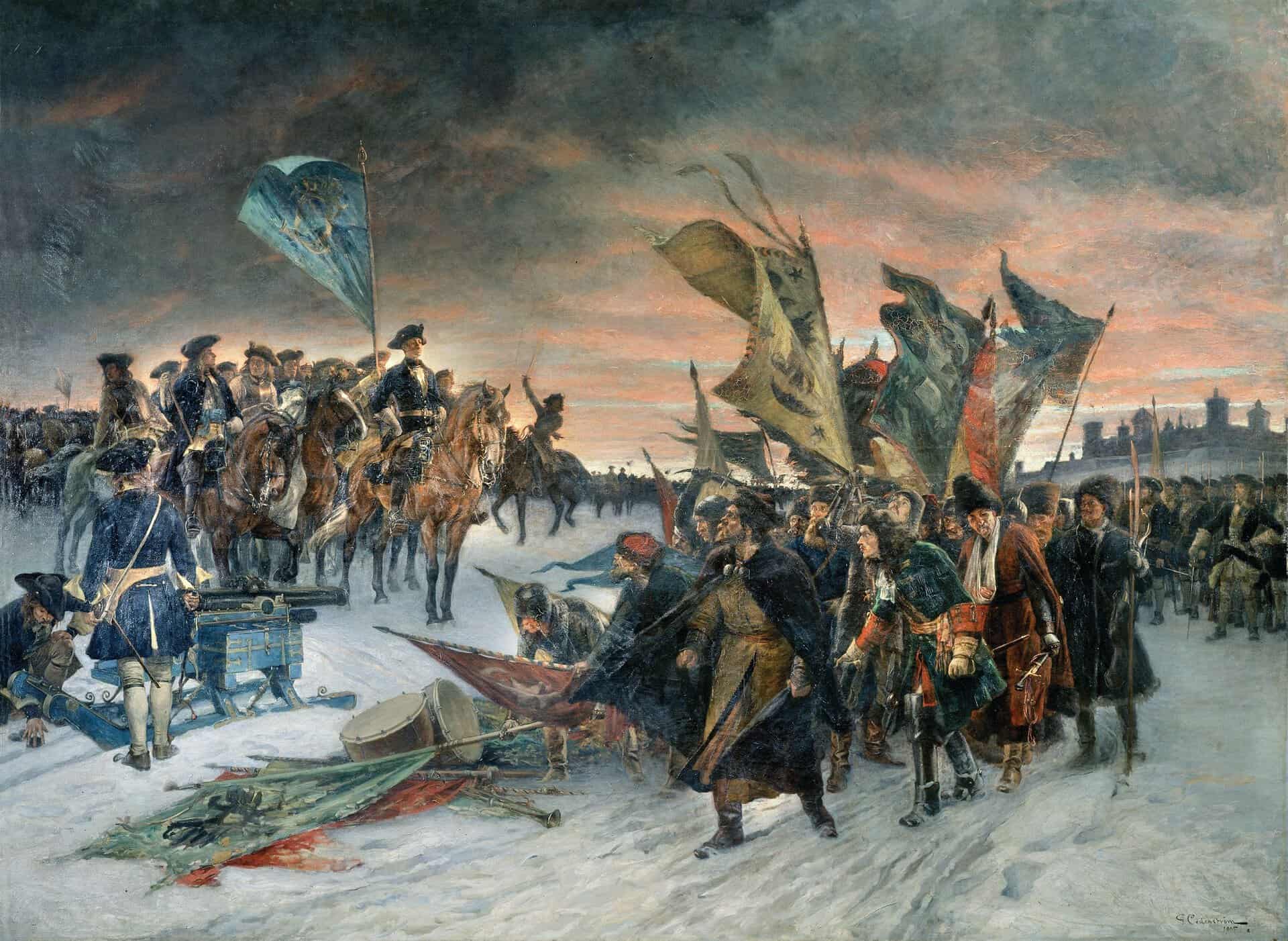
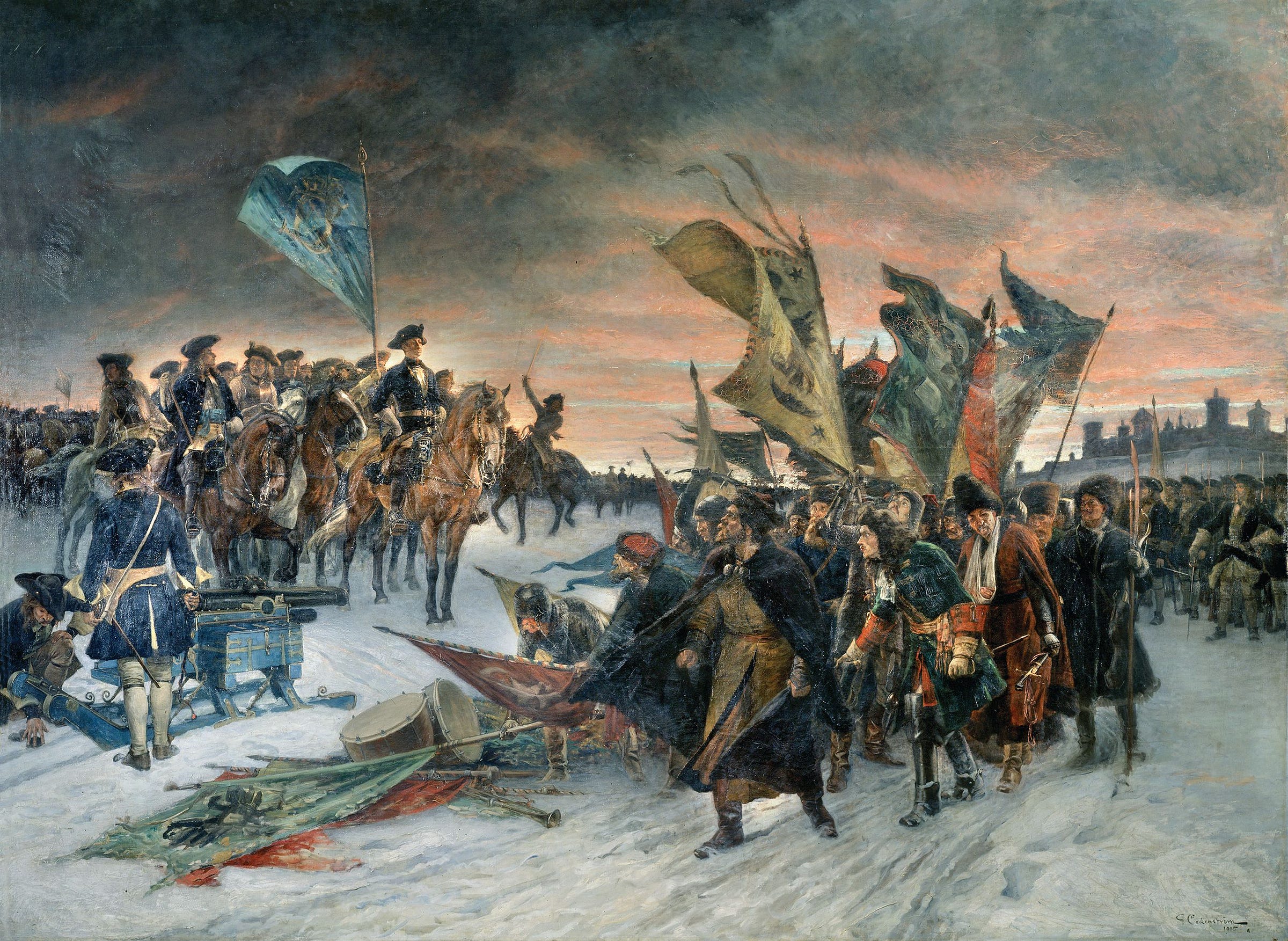
1709: The Russians stopped the advance of the Swedes into northern Continental Europe. This was the beginning of the end of Sweden’s ventures into the continent as an imperial land.
1720: Denmark and Norway made peace with their warring neighbor Sweden. This was a merchant deal, as Sweden agreed to give up its immunity from customs duties in the water that all three nations shared in common. They further agreed to pay to Norway and Denmark reparations for causing or losing the war.
1721: Denmark got the Gottorp portions of the Schleswig region, which today is split between Germany and Denmark. Russia made peace with Sweden and started to dismantle that empire of the Swedes by obtaining Livonia, Estonia, Ingria and Vyborg Fief, which today is part of Finland.
1733: Poland elected a new king, and sides were drawn to maintain a balance of order. The participants were the Russians, Austrians and France. The war ended with a new Habsburg-approved king of Poland and the French gaining the German territory of Lorraine to keep a balance of order between all the ruling parties of Europe. Since 1572, nobility elected Polish kings. This was stopped when Sweden took over earlier in the century and installed their own king.
Now Europe had its new ruling teams, and off to war we go with our new set of rules to own & control as opposed to share amongst fellow man.
This essay is excerpted from Steven Machat’s Highways of Man. Learn more about the book at StevenMachat.com.